
Paid Community Operations focuses on a specific business constraint: paid community churn occurring when members feel invisible or disengaged. Programme directors, research teams, and member experience leaders review the current use of learning platforms, community channels, and available baseline evidence. JXING Tech uses that map to define an accountable workflow, practical integrations, and a baseline-led rollout decision.
What problem paid community operations addresses
Paid community churn occurring when members feel invisible or disengaged. Medium-sized businesses may depend on a few experienced people to keep work moving. Large businesses can face fragmented records and different local practices. Documenting the current handoff shows whether automation is suitable.
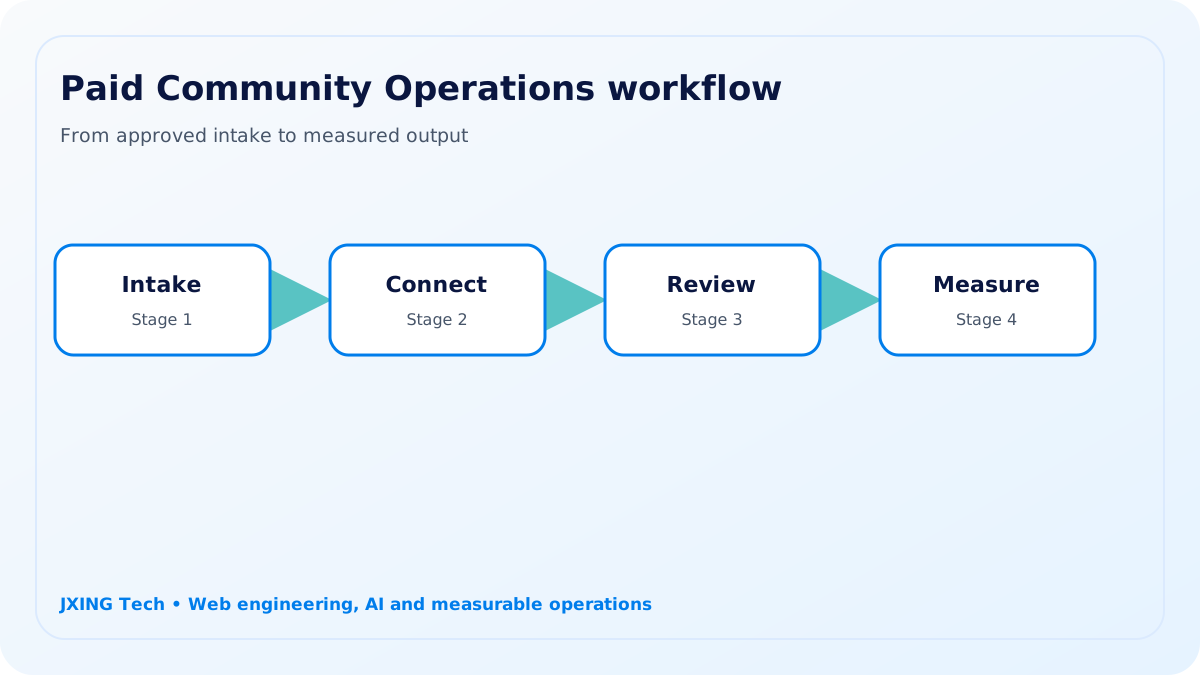
Proposed system flow
The proposed workflow oversees member onboarding, compiles weekly community digest summaries, flags unanswered posts, and tracks member engagement levels. The implementation can connect learning platforms, community channels, document stores, and reporting tools. Approved information moves through defined stages, with review queues for low-confidence results and material decisions.
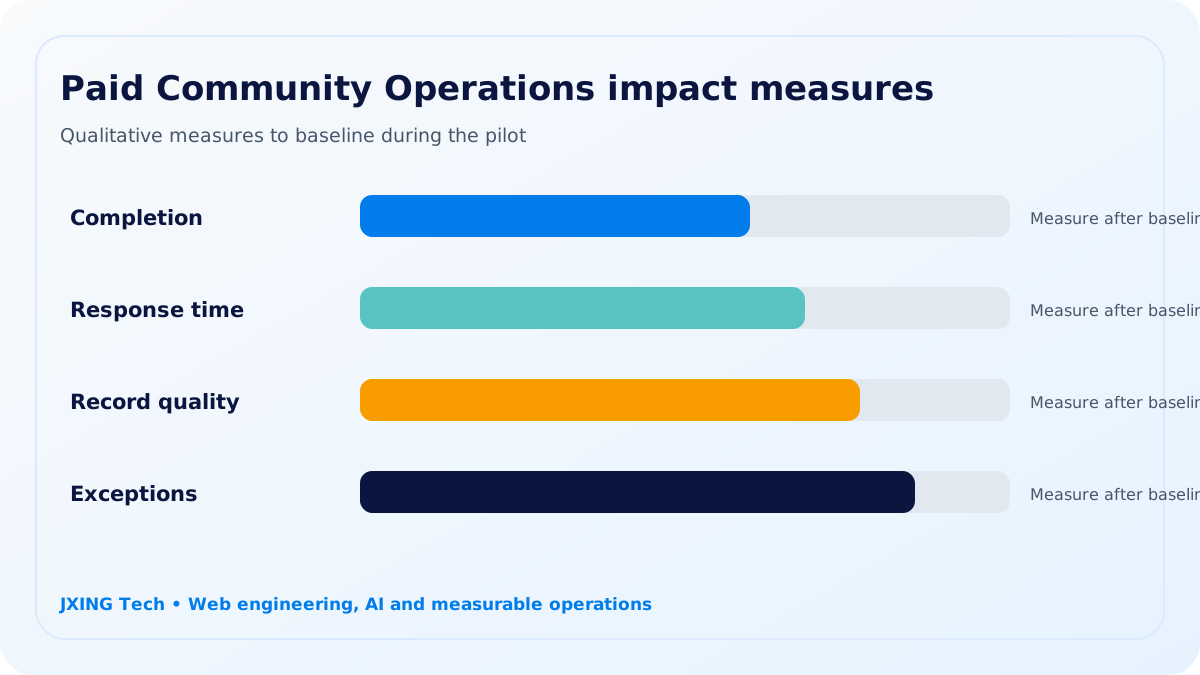
Business impact by organisation size
A medium-sized provider can support more learners, members, or research requests without losing sight of unanswered questions and incomplete work. For paid community operations, a smaller business can begin with one team and compare requests completed against its current baseline.
A larger institution can coordinate multiple programmes, cohorts, or research teams with shared standards and controlled access to information. At scale, paid community operations also needs audit evidence, access segmentation, incident ownership, and a controlled rollout across business units.
Target sectors
The page targets professional associations, education providers, membership businesses, and creator communities. JXING Tech adapts data fields, approval gates, communication rules, and reporting views to the chosen sector instead of applying a generic automation pattern.
Delivery safeguards and evaluation
The paid community operations pilot defines owners, approved records, integration access, exceptions, and success criteria linked to unanswered items flagged. Client-owned platforms are used where practical, with third-party charges identified separately.
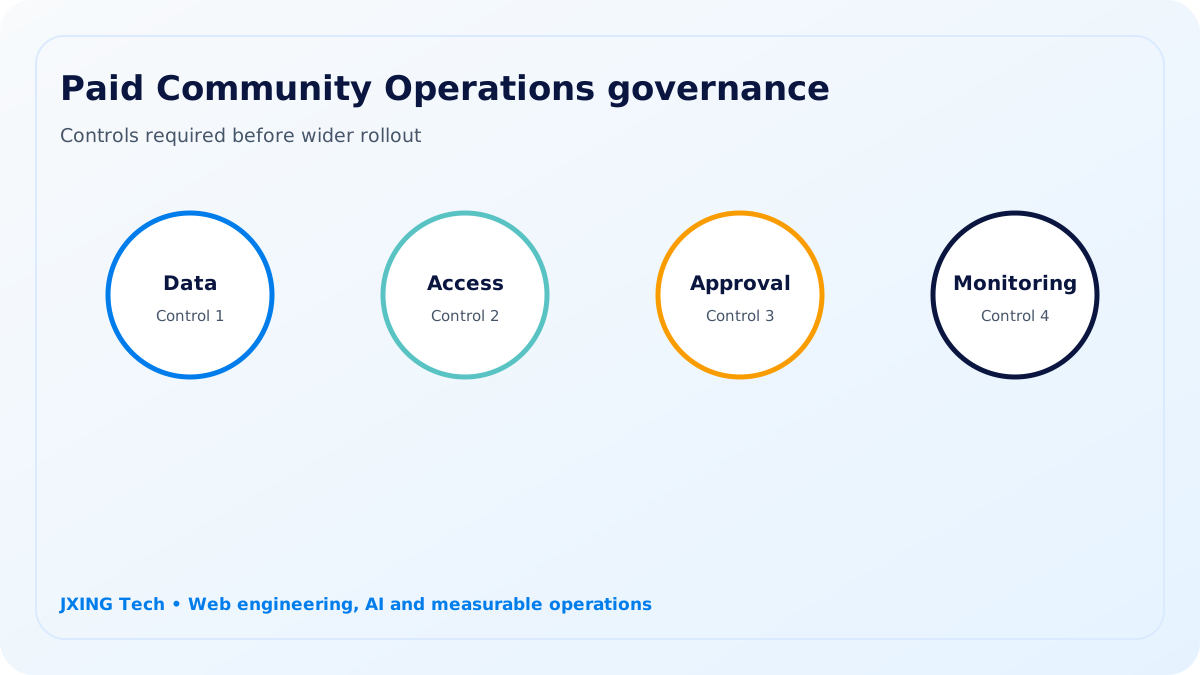
Paid Community Operations uses approved data, role-based access, documented review points, and human approval for sensitive or consequential actions. Results are reviewed through requests completed, unanswered items flagged, turnaround time, and evidence coverage before any decision to extend the system.
A controlled delivery path
Step 1
Baseline
Record how programme directors, research teams, and member experience leaders currently report requests completed and exceptions.
Step 2
Integrate
Connect only learning platforms and community channels for the initial paid community operations use case.
Step 3
Supervise
Keep material decisions with people and log low-confidence paid community operations results for review.
Step 4
Evaluate
Assess unanswered items flagged, turnaround time, and user feedback against the agreed baseline.
Target industries
JXING Tech adjusts paid community operations fields, controls, and reporting views to the selected sector and its operating rules.
professional associations
Use case for professional associations: manage handoffs through document stores with paid community operations.
education providers
Use case for education providers: manage handoffs through reporting tools with paid community operations.
membership businesses
Use case for membership businesses: manage handoffs through learning platforms with paid community operations.
creator communities
Use case for creator communities: manage handoffs through community channels with paid community operations.
What the pilot includes
- Paid Community Operations current-state map for programme directors, research teams, and member experience leaders
- Access and data assessment for learning platforms and community channels
- Controlled pilot measuring requests completed and unanswered items flagged
- Document stores review interface for named owners
- Paid Community Operations QA evidence, fallback plan, and handover recommendation
Governance boundary
Paid Community Operations uses approved data, role-based access, documented review points, and human approval for sensitive or consequential actions.
Pilot measures
- requests completed
- unanswered items flagged
- turnaround time
- evidence coverage